Indoor activity
Shake-Your-Own Butter
Shake cold cream in a jar until it magically transforms into real, spreadable butter right before your eyes — then taste your homemade creation on toast!
Materials
- Glass Jar
- Heavy Cream
- Salt
- Spoon
Illustrated Steps
Pour the Cream
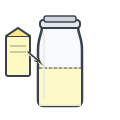
Pour 200 ml of cold heavy cream into a glass jar until it is half full. Screw the lid on as tightly as possible.
Shake, Shake, Shake!
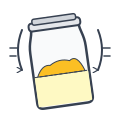
Shake the jar hard for 8–12 minutes, taking turns. It will turn to whipped cream, then suddenly separate into yellow butter and white liquid.
Drain the Buttermilk
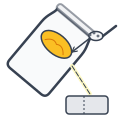
Pour off the white buttermilk over a sink. Add a pinch of salt and stir. Rinse with cold water twice to make the butter last longer.
Taste Your Butter!
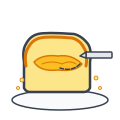
Scoop your homemade butter onto bread and spread it. Taste and compare it to shop-bought butter — then enjoy your delicious creation!
What You’ll Create
Turn ordinary cream into real, spreadable butter — using nothing but a jar and some serious shaking energy! 🧈 This classic kitchen science experiment shows exactly where butter comes from and tastes amazing on toast. Watch the cream transform from liquid to whipped to solid right before your eyes!
Have fun!
- 🧄 Mix in a pinch of garlic powder or dried herbs to make flavoured butter.
- 🍯 Add a drizzle of honey and a tiny pinch of cinnamon for sweet honey butter — amazing on warm toast!
- 📊 Set up a side-by-side taste test: homemade vs. shop butter. Which wins?
- ⏱️ Time each stage — how long from liquid to whipped? Whipped to butter?
Why It’s Amazing
- Food Science: Children discover that butter is made of fat globules that clump together when agitated — real chemistry happening in their hands! 🔬
- Physical Science: Watching a liquid transform into a solid without any heat or cold is a memorable lesson in state changes driven by mechanical force. 💡
- Food Awareness: Making food from scratch builds curiosity about ingredients and where everyday foods actually come from. 🥛
- Collaboration: Taking turns shaking and encouraging each other builds teamwork, patience, and shared pride in the result. 🤝
Pro Tips
For ages 5–6: Use a smaller jar with less cream so it is easier to hold and shakes faster. Double-check the lid is very tight before they start.
For ages 6–8: Let them lead the whole process — measuring, sealing, and shaking independently. Encourage predictions at each stage before it happens.
For ages 8+: Research together why cold cream works better than warm cream. Discuss emulsification, fat globules, and the science of dairy. 🧬