Indoor activity
Shadow Puppet Theater
Cut out puppet characters, tape them to sticks, and perform an original shadow play using a lamp and a sheet — storytelling, art, and drama in one show.
Materials
- Flashlight
- Markers
- Notebook
- Paper
- Pen
- Scissors
- Tape
- White Sheet
Illustrated Steps
Hang the Sheet
Stretch a white sheet tightly across a doorway or between two chairs and secure all four corners with tape — this is your projection screen.

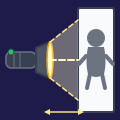
Position the Light
Place a torch 3–4 feet behind the sheet aimed at its centre. The closer the light, the sharper the shadows. Darken the room for best effect.
Cut the Puppets
Draw bold, simple character outlines on paper and cut them out — about 15 cm tall. Simple shapes create the clearest, most dramatic shadows.

Attach the Sticks
Tape a strip of stiff paper or a pencil to the bottom of each puppet as a handle. Only the character should cast a shadow — not the stick.

Write the Script
Plan 3–5 scenes with a beginning, middle, and end. Note which puppets appear in each scene and what they do — keep it nearby during rehearsals.

What You’ll Create
Prepare to build an INCREDIBLE shadow puppet theater and create mesmerizing performances that blend storytelling, art, and drama! 🎭✨ You’ll construct your own theater stage, design unique shadow puppet characters, and bring stories to life through the magical interplay of light and shadow. This isn’t just watching a show - this is becoming the director, puppeteer, and storyteller of your very own theatrical production! 🌟🎬
Have Fun!
🎭 Multi-Puppeteer Shows: Invite family members to perform together! Each person controls different characters, creating complex scenes with multiple puppets interacting. Assign roles: narrator, sound effects person, and puppeteers!
🎵 Add Sound Effects: Create amazing audio! Use your voice for character dialogue, make whooshing sounds for flying puppets, tap Paper for footsteps, or crinkle it for fire effects. Music in the background sets the mood!
🌈 Colored Shadows: Experiment by coloring your Paper puppets with Markers before cutting them out, or place colored transparent materials over the Flashlight to create tinted shadows and magical lighting effects!
🎬 Record Your Performance: Ask someone to record your shadow puppet show from the audience side! You can watch it back and see your creation just like a real movie. It’s amazing to watch yourself perform!
📚 Story Variations: Perform the same story in different ways - make it funny, scary, or mysterious just by changing how the puppets move and how you deliver the lines. Same puppets, totally different show!
Why It’s Amazing
Creative Storytelling: Children develop narrative skills by creating plots, developing characters, and structuring beginning-middle-end story arcs - essential literacy and communication abilities! 📖
Fine Motor Skills: Cutting intricate puppet shapes with Scissors, manipulating puppets smoothly, and coordinating movements behind the screen all develop hand-eye coordination and dexterity! ✋
Visual-Spatial Thinking: Understanding how 3D puppets create 2D shadows, judging distances from the light and screen, and creating visual compositions develops spatial reasoning and geometry concepts! 🧠
Performance Confidence: Creating and performing shows builds public speaking skills, creative confidence, and the ability to express ideas through performance art - skills that benefit every aspect of life! 🌟
Pro Tips
For Ages 8-10: Start with simpler stories and pre-made puppet templates. Focus on the joy of performance rather than intricate puppet designs. Keep shows short (3-5 minutes) and celebrate their creativity!
For Ages 10-12: Challenge them to create more complex puppets with moving parts, develop longer scripts with plot twists, and experiment with multiple light sources for layered shadow effects. Encourage them to research traditional shadow puppet techniques from cultures around the world!
Theater Tips: The secret to great shadow puppets is keeping them FLAT against the sheet - the closer to the screen, the sharper the shadow! Practice moving smoothly and slowly; quick movements can blur the shadows. Keep the Flashlight steady (maybe Tape it to a stack of books) for consistent lighting! 💡
Storage Solution: Create a special Shadow Theater Kit by storing all puppets flat in a folder made from Paper and Tape, with your Notebook script and Markers for future designs. Then you can perform again and again, or create new shows with the same setup! 🎪✨